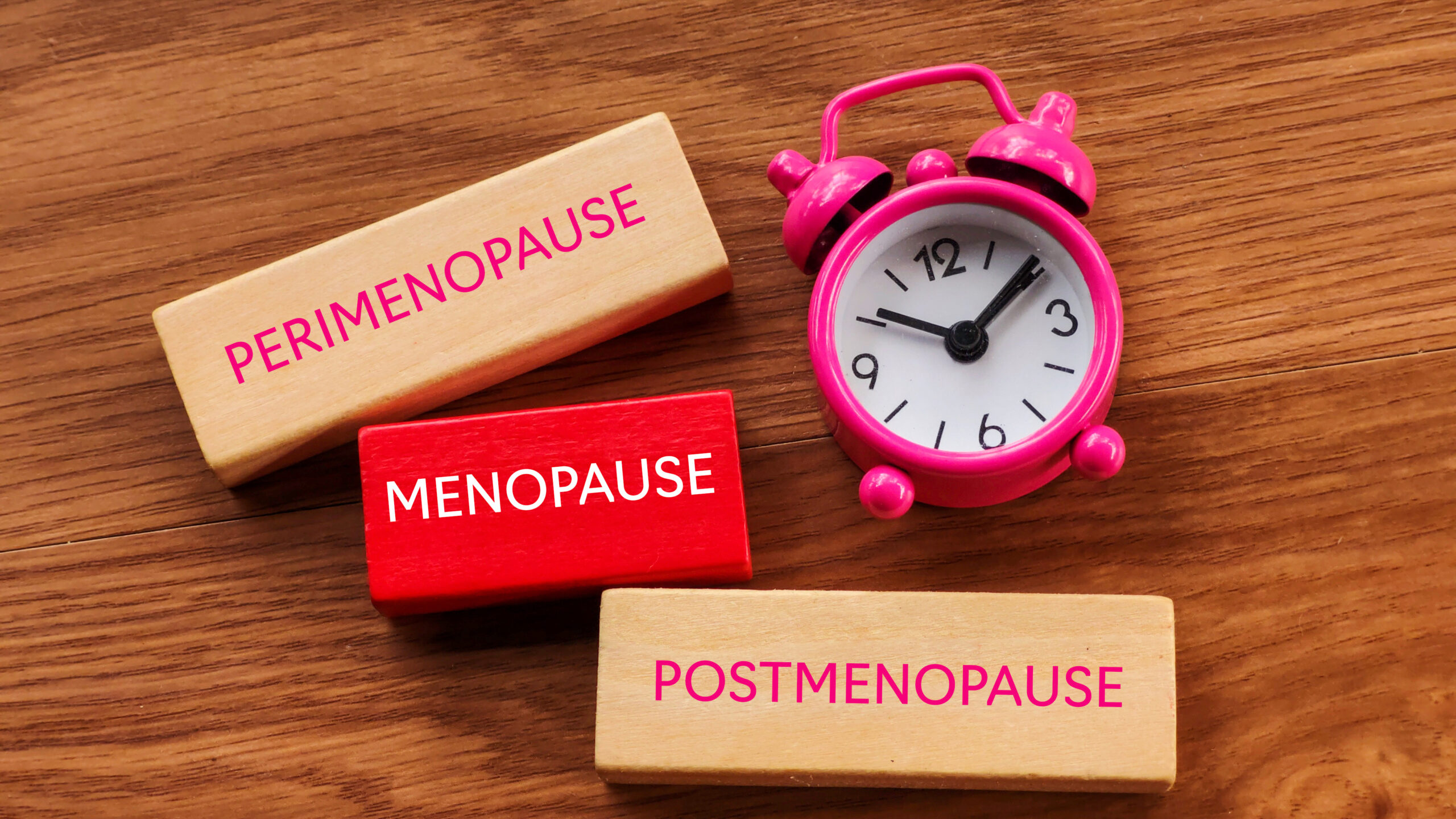
Menopause is a natural, life-changing event which can be difficult to process with varying symptoms.
So, what is the Menopause? The menopause is a natural process that marks the end of a woman’s reproductive years. It is a gradual process that typically occurs between the ages of 45 and 55. During menopause, a woman’s ovaries stop releasing eggs, and her body produces less oestrogen.
Why does the Menopause happen? The menopause occurs due to the ovaries producing less oestrogen and progesterone, these hormones are what regulate and trigger your menstrual cycle. With a decline in these hormones, a woman’s period stops, which means that a woman can no longer get pregnant naturally. The natural end of menstruation, which is not caused by any medical treatment, is called natural menopause.
It can also occur because of certain surgeries, such as removing the ovaries or therapy such as chemotherapy or radiotherapy.
Primary ovarian insufficiency is another factor that can also trigger menopause, with the ovaries failing to produce sufficient levels of reproductive hormones.
Premature Menopause is the occurrence of menopause in a woman younger than 40 years old. It is caused by the ovaries ceasing to produce eggs before the woman is supposed to reach menopause.
There are two Stages of Menopause
1. Perimenopause
Perimenopause is the stage leading up to menopause and can typically last around 5 years. Reproductive hormones such as oestrogen and progesterone start to decline.
Symptoms
• Irregular periods
• Hot flushes
• Night sweats/Day sweats
• Vaginal Dryness/Irritation
• Feelings of anxiety/overwhelm
2. Menopause
Menopause is when a woman has not had her period for 12 straight months and she’s not pregnant or sick. Some women may experience post-menopausal bleeding. If this happens, please visit your GP to get checked. Menopause usually lasts anywhere from 12 to 18 months but can last as long as several years.
What are the symptoms of Menopause?
The symptoms of menopause can vary, but some of the most common symptoms include:
• Hot flushes
• Night sweats/Day sweats
• Mood swings (depression, irritability, anxiety)
• Insomnia/Difficulty sleeping
• Weight Gain (due to decreasing oestrogen levels)
• Problems losing weight
• Decreased Libido
• Urinary Problems/Incontinence
• Joint Pain
• Decreased energy
• Vaginal dryness/Irritation
Although the above looks like a depressing list and something to fear, the good news is that menopause is a phase of life, in which, when the body is balanced, one can transition through smoothly and effortlessly.
VAGINAL DRYNESS & ATROPHY
The symptoms of menopause can include vaginal dryness and dyspareunia (pain during intercourse). One treatment for these symptoms is oestradiol vaginally (your GP can advise)
Another treatment is DHEA, which is a steroid hormone and precursor to oestrogen; therefore, it helps the body to produce adequate levels of oestrogen.
Menopause is a time when physical symptoms of oestrogen deficiency become apparent, such as:
• Breast changes
• Hair loss/thinning
• Tingling/itchy skin or acne rosacea
• Dry eyes
There is no one-size-fits-all approach to managing symptoms of the menopause; each woman will experience these symptoms differently based on her body chemistry and genetics, and remember, not everybody experiences menopausal symptoms at all.
The post-menopause is the period AFTER a woman has gone through the menopause. Menopausal symptoms experienced in the first 2 stages might be milder or might disappear. Once in post-menopause, this stage will last for the rest of your life.
Risks of the Menopause
Heart Disease (Oestrogen keeps cholesterol levels in check, which reduces the likelihood of fatty plaques accumulating inside the walls of the arteries)
Osteoporosis (declining oestrogen levels result in the resorption of bone rather than the production)
Urinary Incontinence (tissue surrounding the vagina and the urethra loses elasticity and strong urges to urinate often occur, a decreased ability to constrict and relax pelvic floor muscles).
How is Menopause diagnosed?
Some common ways that menopause may be diagnosed are through physical exams, blood tests, and pelvic exams. Physical exams may be used to look for symptoms such as hot flashes and changes in the skin. Blood tests may be used to look for a decrease in the hormone oestrogen. Pelvic exams may be used to look for changes in the uterus and vagina.
Treatment of the Menopause:
Conventional Route:
• Hormone Replacement Therapy
• Bioidentical Hormones
• Body Identical Hormones
Hormone Replacement Therapy:
HRT (hormone replacement therapy) is a treatment for relieving menopause-related symptoms.
What are the positives of HRT?
Hormone replacement therapy has been shown to improve the mood and sex life of postmenopausal women. Furthermore, it helps reduce the health risks associated with declining levels of oestrogen, such as osteoporosis, high blood pressure and heart disease.
Speak to your GP to see if this is a suitable option for you.
Risks of Hormone Replacement Therapy
The risks associated with hormone replacement therapy can include:
• an increased risk of cancer (breast cancer)
• blood clots
• heart disease
Bio-identical Hormones
Bio-identical hormones are hormones that are produced to mimic those that are present in our body. When entering menopause, those hormones can be unbalanced, decreased or missing. Bioidentical hormones are produced by compounding pharmacies, which can prepare custom blends of hormones, specific doses and methods of administration, that are tailored to a patient’s specific needs, usually following a thorough blood test.
If you feel like this is something you’d like to endeavour in, get in touch, and we can connect you with a reputable clinic.
Body Identical Hormones
The main difference between bioidentical hormones and body identical hormones is that the latter are hormones that are produced by major pharmaceutical companies in regulated, set doses and methods.
Home remedies and lifestyle changes for Menopause:
Many herbal medicines can help ease the symptoms of menopause. Lifestyle changes such as eating a healthy diet and getting enough exercise can also help reduce the severity of symptoms.
Foods to help with the Menopause
• Organic, whole and preferably ‘raw’ dairy products (can help with symptoms of weak/brittle bones, a good source of calcium and magnesium, which helps strengthen bone health)
• Fish (mackerel, salmon, anchovies) – contain omega-3 fatty acids, which help combat any mood swings or feelings of depression
• Whole Grains (brown rice, whole-wheat bread, barley, quinoa) – contain fibre and B vitamins, which help to reduce the risk of heart disease associated with menopause
• Nuts and seeds (flaxseeds, tofu (preferably fermented, such as miso and tempeh), pulses and legumes) – contain plant oestrogens which help aid vaginal dryness and hot flushes
• Fruits and vegetables (avocados, berries, citrus fruits)-help to reduce menopause symptoms
Phytoestrogens
Phytoestrogens are plant-derived compounds that can be found in a variety of foods, such as soybeans and whole grains. These chemicals act like the hormone oestrogen in the body, but phytoestrogens are not the same as oestrogen. They can help replace the missing oestrogen in women who are menopausal, but this is dependent on the gut bacteria that you have, as only a third to a half of individuals contain the gut bacteria that are required to convert phytoestrogens into a more potent form. In addition to compensating for low levels of oestrogen, it is also a good source of fibre, protein, vitamins and minerals.
Herbs to support during Menopause
AGNUS CASTUS
Helps regulate hormones by acting on the pituitary, increasing luteinising hormone and reducing raised FSH. Helps with menopausal symptoms such as flushes, night sweats and palpitations.
DANDELION ROOT & MILK THISTLE
These herbs help to support the function of the liver, which is vital to the regulation of hormones and general wellbeing and act as digestive stimulants. In addition, herbs like sage and yarrow are also effective liver tonics.
DAMIANA
Restorative for the nervous system, helps when feeling overwhelmed with emotions and experiencing anxiety and depression.
BLACK COHOSH
Relieves spasms and is anti-inflammatory, eases muscular tension. Helps to combat flushes and menopausal symptoms.
WILD YAM
Calms anxiety, lifts depression, combats tiredness. It regulates hormone levels.
Nutrients / Supplements that aid the Menopausal transition
• Omega-3 fatty acids (help with feelings of depression by strengthening the nervous system)
• Vitamin E (reduces the damage that stress can have on your cells)
• Pine Bark Extract (relieves hot flushes)
• Vitamin D (strengthens bone density)
Menopause is a natural process that occurs at some point in every woman’s life. It is important to be informed about the symptoms and causes of menopause, as well as the treatment options available. If you are experiencing menopausal symptoms, speak to your doctor about the best course of treatment for you. You may also want to try a naturopathic approach first, such as tinctures and capsules, which help with hot flushes, night sweats and other menopause symptoms. Our BALANCE COMPLEX is the perfect starting point to support hormonal balance and wellbeing at all stages of life.
View our Balance Complex here.